
Innovations and Technology in the Real Estate Sector

Technology in the real estate sector has driven a profound transformation in the way properties are bought, sold, and managed. What was once a highly traditional industry—based on manual processes, physical visits, and paper documentation—has evolved into a digital ecosystem focused on efficiency, transparency, and customer experience. This digital transformation has reshaped not only internal operations within real estate agencies but also the expectations of buyers and investors.
In competitive and international markets such as Tenerife, where local demand converges with national and foreign buyers, adopting technology in the real estate sector has become a decisive differentiating factor. Digital tools allow agencies to provide real-time information, streamline communication, and significantly reduce transaction times. Digitalization is no longer optional; it is a strategic necessity.
Moreover, technology in the real estate sector has increased transparency throughout the buying and selling process. Modern clients expect immediate access to data, pricing comparisons, high-quality visuals, and clear procedures. Digital solutions respond to these expectations while strengthening trust between clients and real estate professionals.
This transformation has also redefined the role of the real estate agent. Agents are no longer simple intermediaries but strategic advisors supported by advanced digital tools. The combination of professional expertise and technology in the real estate sector defines the new standard for modern real estate services.
Index
Big Data and Artificial Intelligence in Real Estate Investment
Big Data and artificial intelligence represent some of the most significant advances in technology in the real estate sector. By collecting and analyzing large volumes of data, real estate agencies can make more informed and strategic decisions. Variables such as historical pricing, demand evolution, area profitability, and buyer behavior are now analyzed with unprecedented accuracy.
Technology in the real estate sector enables the identification of market patterns that were previously invisible. In Tenerife, data analysis helps detect emerging areas, predict property appreciation, and anticipate shifts in residential and tourist demand. This insight is especially valuable for investors seeking to maximize returns while minimizing risk.
Artificial intelligence is also widely used for automated property valuations, providing estimates aligned with real market conditions. These tools reduce human error and accelerate processes that traditionally required extensive manual analysis. Additionally, AI-powered recommendation systems match buyers with properties based on preferences, improving the overall user experience.
Predictive analytics is another key benefit. Technology in the real estate sector allows agencies to forecast trends, assess risks, and plan commercial strategies with greater certainty. This results in smarter decisions, reduced exposure to market volatility, and more professional asset management.

Virtual Reality and Immersive Property Tours
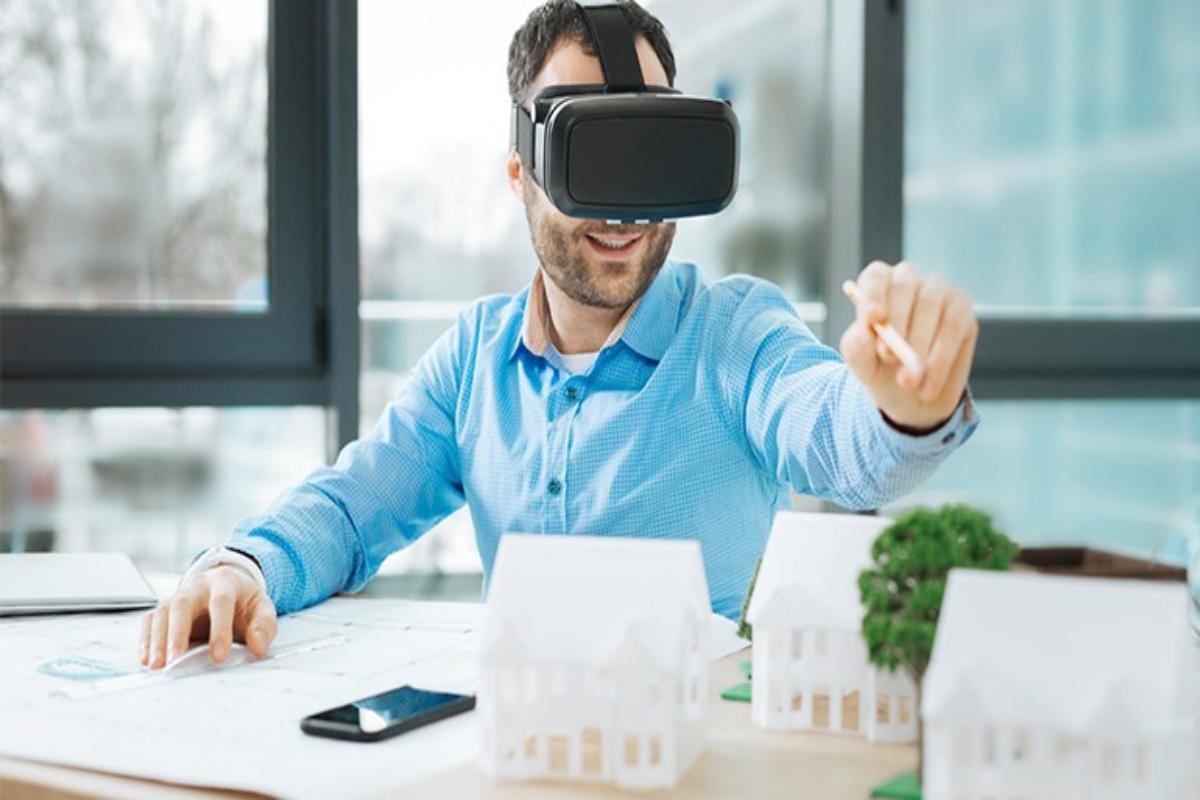
Virtual reality and 3D property tours have revolutionized property marketing and presentation, becoming one of the most visible applications of technology in the real estate sector. These tools allow potential buyers to explore properties remotely through immersive experiences that closely replicate physical visits.
In a destination like Tenerife, where a significant percentage of buyers live abroad, technology in the real estate sector plays a crucial role. Virtual tours reduce unnecessary travel, optimize time for both clients and agents, and often lead to faster decision-making before an in-person visit even occurs.
Augmented reality adds further value by allowing clients to visualize renovations, alternative layouts, or interior design concepts. This helps buyers better understand the property’s potential, overcoming uncertainty and facilitating purchasing decisions.
Beyond functionality, these technologies enhance brand perception. Real estate agencies that invest in technology in the real estate sector project professionalism, innovation, and credibility. In a crowded market, immersive property experiences clearly differentiate forward-thinking agencies from traditional competitors.

Blockchain and Smart Contracts in Real Estate
Blockchain is one of the most disruptive innovations within technology in the real estate sector. Its core contribution lies in security, transparency, and data integrity. As a decentralized and immutable ledger, blockchain ensures that transaction records cannot be altered, significantly reducing fraud risks.
In real estate transactions, blockchain enables secure registration of ownership, contracts, and transaction histories. Smart contracts automatically execute once predefined conditions are met, simplifying complex legal and administrative processes that traditionally required extensive manual intervention.
Technology in the real estate sector powered by blockchain is particularly valuable for international transactions—highly relevant in Tenerife’s global property market. By reducing intermediaries and automating verification processes, blockchain lowers costs and accelerates cross-border transactions.
Although adoption is still in development, blockchain represents a clear long-term trend. Agencies that begin integrating this technology in the real estate sector position themselves at the forefront of innovation, prepared for a more secure and efficient future market.
Digital Platforms and Automation of Real Estate Processest
Automation is a fundamental pillar of modern technology in the real estate sector. Digital platforms allow agencies to manage properties, clients, and documentation from centralized systems, improving efficiency and reducing operational costs. CRM systems, digital signatures, and document management tools have become essential.
Thanks to technology in the real estate sector, repetitive tasks such as client follow-ups, property updates, and appointment scheduling can be automated. This frees agents to focus on high-value activities such as personalized advice, negotiations, and relationship building.
Digital signatures are another major advancement, enabling contracts and agreements to be completed quickly and securely without physical presence. In an industry where timing is critical, this application of technology in the real estate sector significantly improves customer satisfaction.
Additionally, integrated platforms provide continuous performance analytics, helping agencies refine strategies and measure results. Automation not only reduces errors but also elevates the overall professionalism of real estate services.

PropTech: Startups Redefining the Real Estate Market
PropTech refers to startups that leverage technology in the real estate sector to deliver innovative solutions. These companies are reshaping how properties are developed, marketed, financed, and managed, introducing agile, user-centered business models.
PropTech solutions range from digital investment platforms to intelligent property management systems. In Tenerife, such technology in the real estate sector creates new opportunities to attract international investors and optimize both residential and holiday rental properties.
The impact of PropTech is reflected in improved efficiency, lower costs, and enhanced customer experiences. Real estate agencies that integrate these solutions adapt more easily to changing market conditions and increasingly digital clients.
Collaboration between traditional agencies and PropTech startups represents a powerful synergy. Combining local market expertise with advanced technology in the real estate sector creates a competitive advantage that benefits buyers, sellers, and investors alike.
The Future of Technology in the Real Estate Sector in Tenerife
The future of technology in the real estate sector points toward smarter, more sustainable, and highly connected properties. Smart home systems, energy efficiency, and intelligent resource management will increasingly influence property values and buyer preferences.
In Tenerife, where climate and sustainability play a crucial role, technology in the real estate sector focused on energy efficiency enhances both property appeal and long-term value. Smart climate control, energy monitoring, and renewable solutions are becoming key differentiators.
Digitalization will continue to accelerate, integrating advanced artificial intelligence, predictive analytics, and automation. Real estate agencies that embrace innovation today will be better positioned to meet future market demands.
Technology in the real estate sector will not only transform processes but also redefine how people perceive housing, investment, and property ownership. Adapting to this future is a strategic imperative.
Conclusion: Technology as the Driving Force of the New Real Estate Market
Technology in the real estate sector has become the primary engine of transformation and growth. From digital workflows and immersive property tours to artificial intelligence and blockchain, innovation now shapes every stage of the real estate lifecycle.
In a competitive and international market like Tenerife, embracing technology in the real estate sector is essential for delivering efficient, transparent, and high-quality services. Agencies that integrate these tools enhance operational performance while strengthening credibility and market positioning.
Looking ahead, technological advancement will continue to define the pace of the industry. Investing in innovation is no longer optional—it is fundamental for real estate professionals who aim to lead the market and meet the expectations of the modern, digitally driven buyer.