
New Vacation Rental Housing Law in the Canary Islands
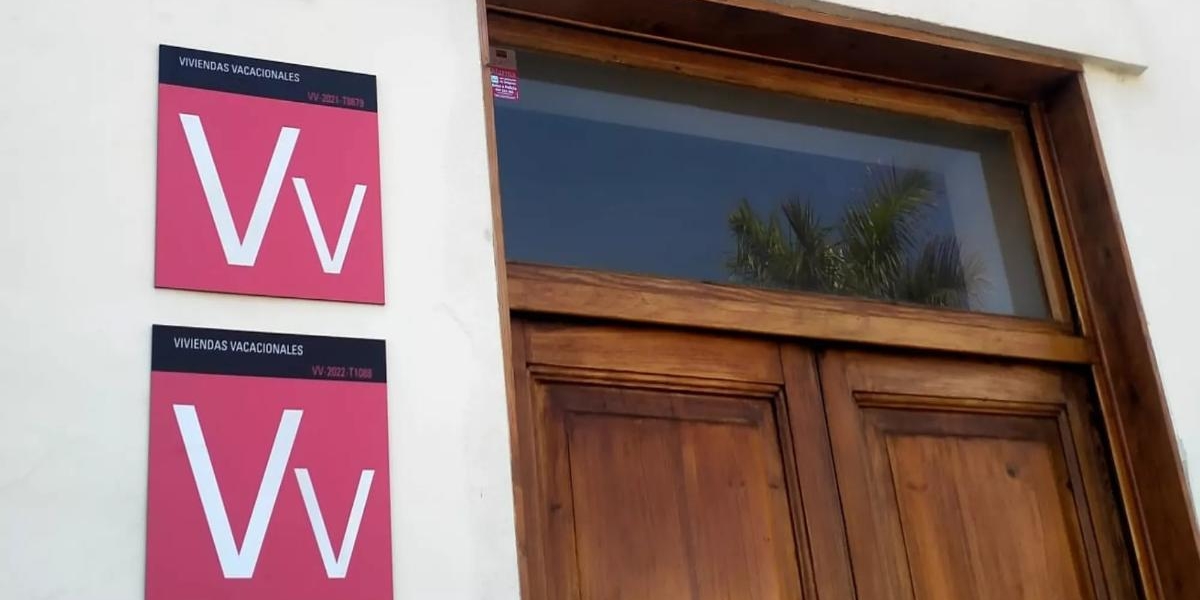
The Vacation Rental Housing Law in the Canary Islands has become one of the most relevant topics for property owners, real estate investors, and tourism professionals in the archipelago. The rise of short-term vacation rentals in recent years has generated significant economic opportunities, but it has also posed challenges regarding housing access, land planning, and neighborhood coexistence. For this reason, the Government of the Canary Islands has promoted stricter and more structured regulations.
The Vacation Rental Housing Law in the Canary Islands establishes the legal framework governing the use of properties intended for short-term tourist rentals. Its main purpose is to regulate this activity, ensure the quality of the accommodation offered, and guarantee that vacation rentals coexist harmoniously with traditional residential use. For those who own a property in Tenerife or other islands, understanding this regulation is essential before starting or continuing vacation rental operations.
From a real estate perspective, this legislation directly affects property values, expected profitability, and the feasibility of certain investments. Not all properties can be used for vacation rentals, nor is it permitted in all areas. Additionally, the law imposes administrative, fiscal, and technical obligations that must be strictly followed.
In this article, we analyze in depth the Vacation Rental Housing Law in the Canary Islands, covering its requirements, procedures, applicable taxes, and offering practical advice for property owners and investors who wish to operate with legal certainty and avoid penalties.
Indice
Legal Context and Objective of the Regulation
The Vacation Rental Housing Law in the Canary Islands was introduced in response to the rapid growth of tourist rentals on the islands, especially in destinations such as Tenerife, Gran Canaria, Lanzarote, and Fuerteventura. For years, the lack of clear regulation created legal uncertainty for both property owners and public administrations.
One of the main objectives of the Vacation Rental Housing Law in the Canary Islands is to clearly differentiate regulated tourist accommodation (hotels, tourist apartments) from vacation rentals in residential properties. This distinction allows for specific rules to be established for each type and helps prevent unfair competition within the tourism sector.
Another key purpose of the regulation is to protect access to permanent housing. In certain areas under high tourist pressure, uncontrolled growth of vacation rentals has reduced the availability of residential rentals, driving up prices. The law introduces urban planning control mechanisms to prevent tourist use from displacing residential use.
Additionally, the Vacation Rental Housing Law in the Canary Islands seeks to improve the quality of service offered to tourists. To achieve this, it sets minimum requirements for habitability, safety, and customer care. In this way, the archipelago’s tourism image is protected, and visitors are guaranteed an adequate experience.
From a legal standpoint, this regulation relies on autonomous competencies in tourism, housing, and land planning, and is complemented by municipal regulations and specific urban development plans.

Requirements and Obligations to Register a Vacation Rental Property
One of the most important aspects of the Vacation Rental Housing Law in the Canary Islands is the set of requirements a property must meet to be legally used for vacation rentals. Ownership alone is not enough; it is essential to comply with a series of technical, urban planning, and administrative conditions.
First, the property must be located in an area where urban planning explicitly allows vacation rental use. Some municipalities in Tenerife have established restrictions in certain zones, so it is crucial to review the municipal plan before initiating any procedures.
The Vacation Rental Housing Law in the Canary Islands requires the property to have a habitation certificate or equivalent document, as well as minimum conditions for safety, ventilation, lighting, and equipment. It must also have adequate furniture and complaint forms available for users.
Another relevant obligation is the hiring of liability insurance that covers potential damages to guests or third parties arising from the tourist activity. This requirement is mandatory and is part of the administrative control established by the regulation.
Additionally, the owner must ensure a customer service system, including a contact phone number available for incidents during the stay. All of this aims to professionalize the activity and align it with the standards of the tourism sector.
Complying with these requirements is essential to operate in accordance with the Vacation Rental Housing Law in the Canary Islands and avoid penalties that can reach significant amounts.

Administrative Procedures: Step by Step
The Vacation Rental Housing Law in the Canary Islands establishes a specific administrative procedure for registering a vacation rental property. Although it is not a license in the strict sense, it is mandatory to submit a responsible declaration to the competent authority.
The first step is to verify the property’s urban planning compatibility. This point is critical, as a property located in an unauthorized area cannot be registered as a vacation rental, regardless of whether it meets the other requirements.
Once compatibility is verified, the owner must submit a responsible declaration to the corresponding regional authority, usually through online means. In this document, the owner declares that the property complies with all the requirements of the Vacation Rental Housing Law in the Canary Islands.
After submission, the property is registered in the Canary Islands General Tourism Registry, and a registration number is assigned. This number must be displayed in all advertising, listings on digital platforms, and accommodation contracts.
It is important to note that the administration may carry out subsequent inspections to verify the accuracy of the responsible declaration. If non-compliance is detected, economic penalties can be imposed, and the property may even be removed from the registry.
Having professional advice during these procedures is highly recommended, especially in municipalities with complex urban planning regulations.
Tax Obligations and Applicable Taxes
The Vacation Rental Housing Law in the Canary Islands not only regulates administrative aspects but also has significant tax implications. Income earned from vacation rentals must be properly declared to the Tax Agency.
For individuals who are tax residents in Spain, rental income is taxed under the IRPF as income from real estate capital or as business activity, depending on the management method. For non-residents, the Non-Resident Income Tax applies.
Additionally, the Vacation Rental Housing Law in the Canary Islands entails the obligation to charge and declare the IGIC (Canary Islands General Indirect Tax), except in very specific cases. This point often raises questions, so specialized tax advice is recommended.
Other taxes include the IBI (property tax), potential municipal fees, and the obligation to correctly report occupancy periods and income earned. Non-compliance with tax obligations can lead to additional penalties, separate from tourism-related sanctions.
Proper tax planning allows for optimizing the profitability of a vacation rental property and avoiding unnecessary legal risks.

Practical Recommendations for Property Owners and Investors
From a real estate perspective, the Vacation Rental Housing Law in the Canary Islands requires adopting a more strategic approach. Before acquiring a property for tourist purposes, it is essential to analyze its legal and economic viability.
A key recommendation is to study the municipality’s urban planning and the specific regulations that apply. Not all tourist areas allow vacation rentals in residential properties, and this limitation directly affects the return on investment.
It is also advisable to conduct a realistic cost analysis, including taxes, insurance, maintenance, and management. The Vacation Rental Housing Law in the Canary Islands has raised the level of requirements, which implies higher operational costs but also greater professionalization of the sector.
For current property owners, it is crucial to periodically review regulatory compliance and keep documentation up to date. Inspections can occur at any time, and the burden of proof falls on the property owner.
Working with a real estate agency specialized in Tenerife can make a significant difference, both during the purchase phase and in the subsequent management of the vacation rental property.
Advantages and Challenges of Operating Under the New Regulation
The Vacation Rental Housing Law in the Canary Islands offers clear advantages for those who comply with the regulation. The main benefit is legal certainty: operating within the legal framework reduces the risk of penalties and administrative conflicts.
Additionally, the regulation helps improve market quality by eliminating illegal offerings and favoring property owners who operate professionally. This can translate into greater trust from tourists and higher ratings on rental platforms.
However, there are also challenges. Urban planning restrictions limit the supply in certain areas, and the increase in administrative and tax obligations can reduce short-term profitability. The key lies in proper planning and efficient management.
In this context, the Vacation Rental Housing Law in the Canary Islands should not be seen as an obstacle, but as a framework that organizes the market and offers opportunities to those who know how to adapt.

Conclusion
The Vacation Rental Housing Law in the Canary Islands marks a turning point in the tourist rental market on the islands. Its goal is to balance tourism development with the right to housing, providing greater transparency and professionalization in the sector.
For property owners and investors in Tenerife, understanding and correctly applying this regulation is essential. From technical requirements to tax obligations, every aspect must be managed carefully to avoid penalties and maximize profitability.
Having specialized real estate, legal, and tax advice allows one to take full advantage of the opportunities offered by the Vacation Rental Housing Law in the Canary Islands and make informed decisions in an increasingly regulated environment.